

Introduction to Psychology introduces students to the study of human thoughts, feelings, and behavior. The course explores major psychological concepts and theories, including personality, human development, sleep and consciousness, memory, intelligence, emotion, stress, learning, social influences, and motivation. Students will also learn how psychology applies to everyday life, relationships, education, work, and Belizean society.
- Teacher: Javan Grant
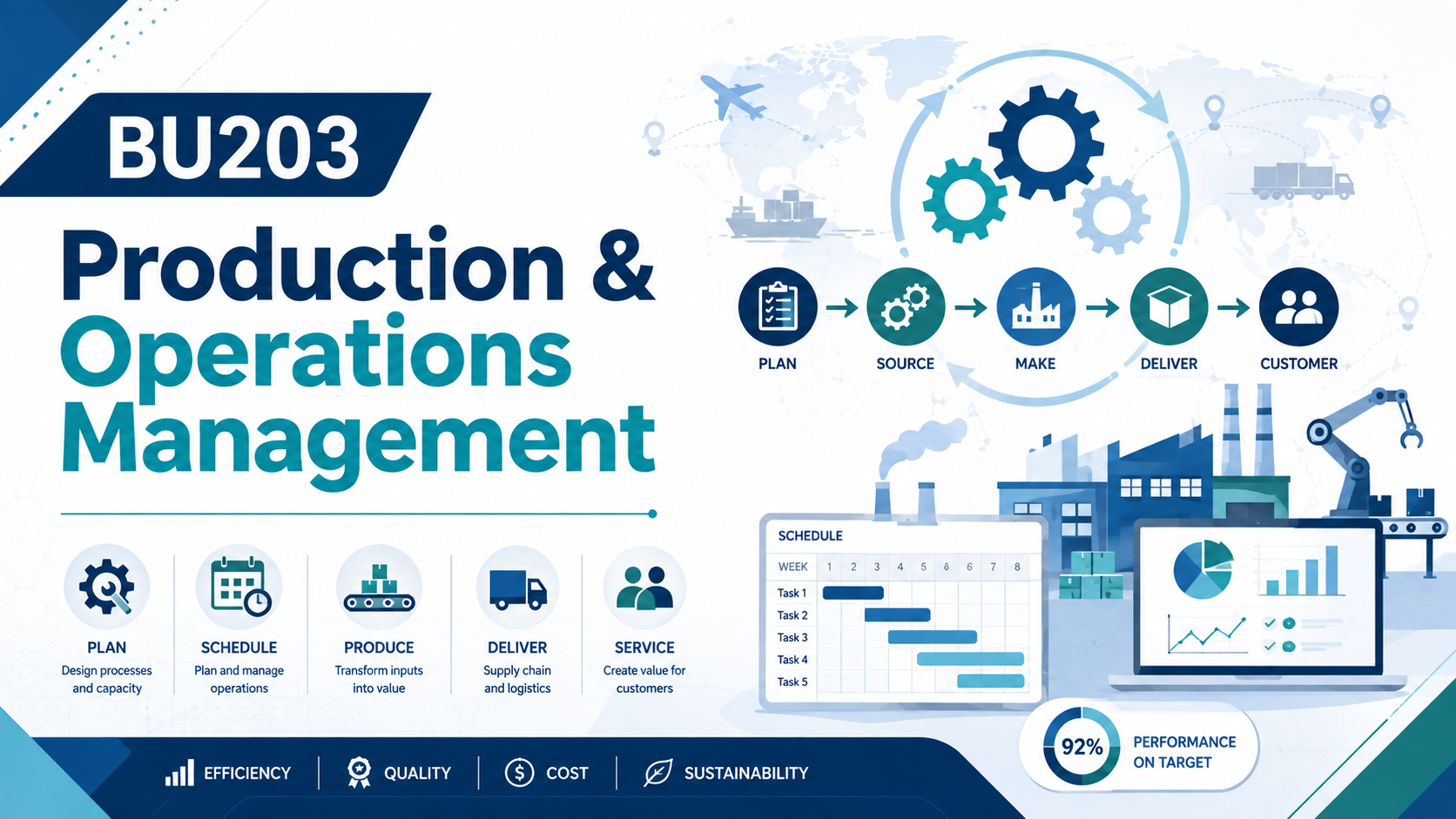
Welcome to BU203 Production and Operations Management. This course explores how businesses and service organizations plan, manage, and improve the way they produce goods and deliver services. Topics include productivity, operations strategy, project management, forecasting, product and service design, quality, process and capacity decisions, location, layout, inventory, and supply chain management. Throughout the course, we will connect these ideas to practical business situations and real-world decision-making.
- Teacher: Javan Grant
- Teacher: Janelli Bautista
- Teacher: Janelli Bautista
Introduction to Sociology explores how society shapes human behavior, social relationships, and institutions. This course introduces students to the sociological perspective, encouraging them to see the connections between individual experiences and larger social forces such as culture, class, gender, race, family, education, religion, politics, and the economy.
Students will examine key sociological theories and concepts developed by classical and contemporary sociologists, including the sociological imagination, socialization, social inequality, power, and social change. Through lectures, readings, discussions, group activities, and applied case studies, learners will develop the ability to critically analyze social issues at the local, regional, and global levels.
By the end of the course, students will be able to think sociologically, question taken-for-granted assumptions about society, and apply sociological concepts to real-world situations. The course aims to build critical thinking, research, and communication skills while fostering greater social awareness, empathy, and informed citizenship.
- Teacher: Ronaldinghio Cob
Introduction to Philosophy invites students to explore the fundamental questions that shape human thought, values, and existence. This course is designed for students with no prior background in philosophy and introduces key philosophical ideas, methods, and debates that have influenced both historical and contemporary thinking.
Students will examine central questions about knowledge, reality, truth, morality, justice, freedom, religion, art, and the meaning of life and death. Through critical reading, discussion forums, reflective writing, group projects, and applied case studies, learners will develop essential critical thinking, reasoning, and argumentation skills.
By engaging with major philosophical traditions and thinkers, students will learn how to analyze beliefs, evaluate arguments, recognize logical fallacies, and articulate well-reasoned positions. Ultimately, this course encourages self-awareness, ethical reflection, and informed decision-making by applying philosophical principles to everyday life and contemporary social issues.
- Teacher: Ronaldinghio Cob
This three- credits introductory course is designed to expose students to
the field of Psychology and provides an interesting overview of the basic principles and concepts of the
science. Throughout this course is an emphasis in developing an understanding of Psychology as the
science of cognition and human behavior. Special attention is given to provide a general understanding
of the affective, behavioral and cognitive processes of human behavior. Topics include research
methodology, consciousness, motivation, learning, cognition, physiology, perception, intelligence,
psychological disorders, personality theories and human development. It also explores the application
of psychological principles and concepts in business, social and personal life in Belize. Students will
find that at least some of their preconceptions about psychology will be challenged and changed, and they
will learn that psychology is a field that will provide them with new ways of thinking about their own thoughts, feelings, and actions.
- Teacher: Ronaldinghio Cob
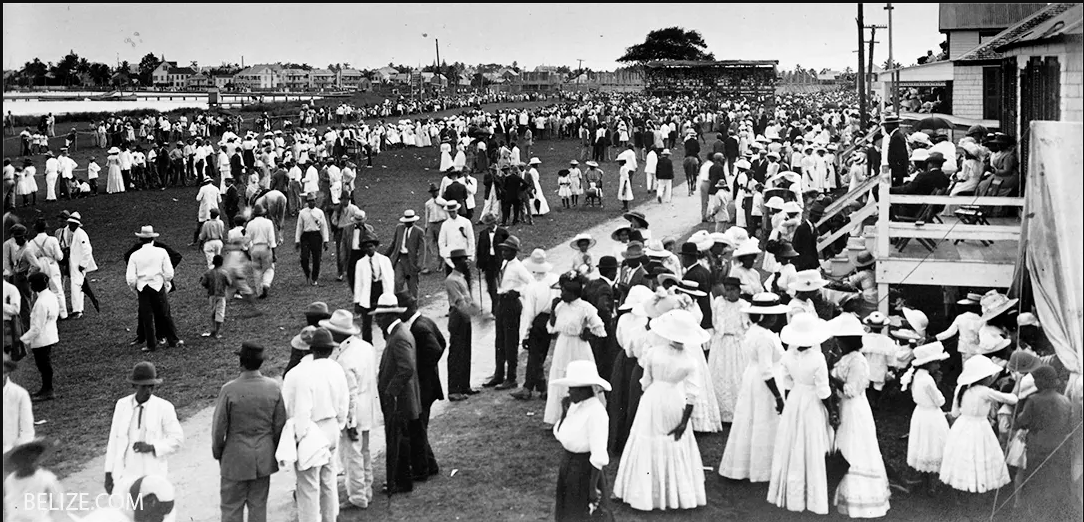
This course takes students on a journey through Belize’s history, from its rich pre-Columbian roots to the present day. It examines key events, themes, and turning points that have shaped the nation, including the ancient Maya civilization, European colonization and resistance, slavery and emancipation, the colonial era, the nationalist movement, independence, and modern post-colonial challenges. Students will explore the contributions of Belize’s diverse ethnic groups and consider how history continues to shape national identity and citizenship. Through engaging with historical inquiry and both primary and secondary sources, the course encourages a deeper appreciation of Belize’s heritage, identity, and the ongoing struggles that define its story.
- Teacher: Vickie Leal
